Understanding LVP Flooring
What is LVP Flooring?
Luxury Vinyl Plank (LVP) flooring is a high-quality, durable flooring option designed to mimic the look of hardwood, stone, or tile without the associated high cost and upkeep. LVP is made from multiple layers of synthetic resin, vinyl, and plasticizer combined to create a resilient, water-resistant flooring solution that’s suitable for both residential and commercial properties. One of the standout features of LVP is its remarkable ability to resist scratches, stains, and moisture, making it an ideal choice for high-traffic areas like kitchens and living rooms.
Benefits of Choosing LVP Flooring
There are numerous advantages to choosing LVP flooring for your home:
- Durability: LVP is built to withstand daily wear and tear, including scratches and dents from pets, furniture, and foot traffic.
- Water Resistance: Many LVP options are completely waterproof, making them an excellent choice for areas prone to moisture, such as bathrooms and basements.
- Low Maintenance: Cleaning is straightforward, often requiring just a damp mop and some mild detergent to maintain its pristine appearance.
- Varied Aesthetic Options: LVP comes in a myriad of designs, colors, and textures, allowing you to achieve the look of natural materials at a fraction of the cost.
- Comfort Underfoot: The cushioning effect of LVP makes it comfortable to walk on, which is a distinct advantage over harder flooring options.
Differences Between LVP and Traditional Flooring
When comparing LVP to traditional flooring options like hardwood or ceramic tile, several key differences become evident:
- Installation: LVP is easier and quicker to install than hardwood or tile, often utilizing a click-lock system that doesn’t require glue or nails.
- Cost: Generally, LVP is more budget-friendly. While hardwood can be expensive and susceptible to water damage, LVP offers similar aesthetics at a lower price point.
- Longevity and Maintenance: LVP typically lasts 15 to 25 years, often outlasting traditional vinyl flooring, and requires less maintenance than hardwood, which may need refinishing over time.
- Environmental Impact: Some LVP is made from recyclable materials, while natural wood and stone options contribute to deforestation and resource extraction concerns.
Identifying the Best LVP Flooring
Key Features to Look For
When searching for the best lvp flooring, it’s essential to keep certain features in mind, including:
- Thickness: A thicker plank generally offers better durability and sound absorption, typically ranging from 4mm to 8mm.
- Wear Layer: The wear layer protects the flooring from scratches and stains. Look for a thickness of at least 20 mil for residential use.
- Waterproofing: Ensure the flooring is advertised as waterproof, especially if it will be used in wet areas.
- Realistic Aesthetics: Evaluate the printing technology used—higher quality products often utilize advanced printing techniques for a more realistic wood or stone look.
- Backer Layer: This layer provides stability and can add comfort underfoot; higher-quality LVP may include additional acoustic or insulating features.
Top Color and Style Options
Choosing the right color and style for your LVP flooring can greatly influence the ambiance of your space. Here are some trending options to consider:
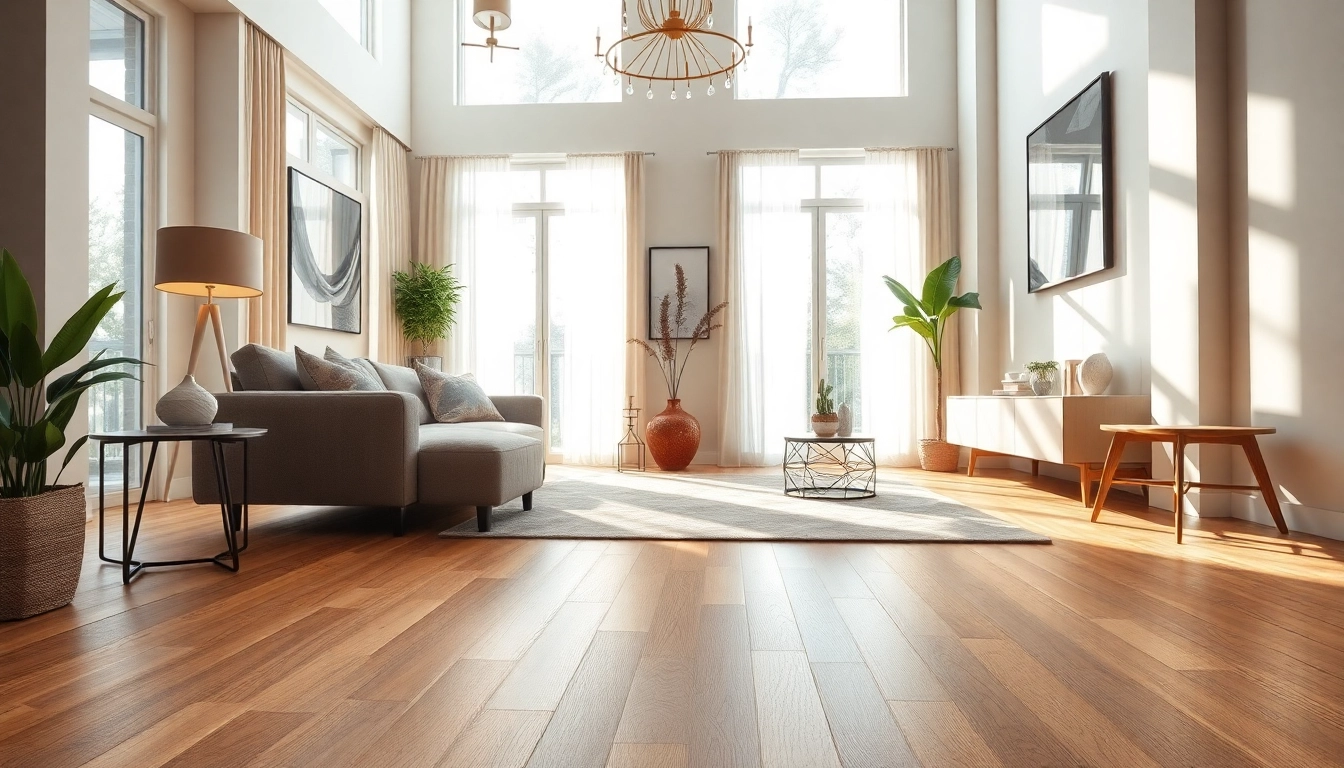
- Natural Wood Tones: Shades like oak, maple, or walnut provide a classic, timeless look.
- Dark Refinements: Rich hues such as ebony or espresso offer a dramatic, luxurious appearance, ideal for contemporary settings.
- Weathered Finishes: These provide an organic, rustic feel, often featuring distressed textures that enhance visual interest.
- Stone Looks: LVP designed to mimic natural stone, like slate or travertine, adds sophistication and can handle high moisture areas.
How to Compare Products Effectively
To ensure you select the best lvp flooring, follow these comparison tips:
- Research Brands: Look for manufacturers with a solid reputation and good customer reviews regarding durability and customer service.
- Conduct Swatch Tests: Touch and observe floor samples in different lighting conditions to gauge their appearance and feel.
- Warranty Offerings: Review the warranty terms for aspects like wear resistance and overall quality to gauge the product’s expected longevity.
- Price vs. Value: Consider if the features justify the price. Sometimes investing slightly more upfront can yield significant long-term benefits.
Installation Process of Best LVP Flooring
Preparation Steps Before Installation
Proper preparation ensures a successful installation of your new flooring. Here’s how to prepare:
- Acclimate the Planks: Allow LVP planks to sit in the room for at least 48 hours to adjust to room temperature.
- Remove Existing Flooring: Clear the area of any previous flooring, carpeting, or debris for a clean workspace.
- Ensure a Level Subfloor: Check the subfloor for any uneven spots, filling in low areas or addressing bumps to ensure optimal installation.
- Clean the Subfloor: Remove dust and debris to facilitate good adhesion and fit.
Tools and Materials Needed
Before installation, gather these essential tools and materials to streamline the process:
- Measuring tape for accurate measurements
- Utility knife to cut the planks to size
- Flooring underlayment for sound cushioning and moisture protection
- Spacers to maintain proper expansion gaps
- A tapping block and pull bar for secure locking of planks
Homeowner vs. Professional Installation
Choosing between DIY installation and hiring a professional will depend on your comfort level, skill set, and the complexity of the installation process:
- Homeowner Installation: It can be a cost-effective option if you have basic DIY skills. Many LVP products come with easy-to-follow instructions.
- Professional Installation: If you prefer a hassle-free experience or are unsure about your skills, hiring professionals can ensure a perfect installation and often comes with a warranty on the work.
Maintenance Tips for Longevity
Cleaning Your LVP Flooring
To keep your LVP flooring looking its best, implement these cleaning practices:
- Regular Sweeping: Sweep or use a vacuum without a beater bar frequently to prevent dirt buildup.
- Occasional Damp Mopping: Use a damp mop with a gentle cleaner specifically designed for vinyl flooring to maintain shine.
- Immediate Spill Cleanup: Wipe up spills quickly to avoid staining and ensure no water accumulates on the surface.
Avoiding Common Damage
To prevent damage, take these precautions:
- Use Furniture Pads: Place furniture pads under heavy items to prevent denting or scratching the surface.
- Avoid Harsh Cleaners: Refrain from using abrasive cleaners or chemical solvents that can damage the surface layer.
- Manage Humidity: Keep indoor humidity levels between 30-50% to avoid moisture-related issues.
Best Practices for Maintenance
Implement these best practices to enhance the longevity of your LVP flooring:
- Regularly check for any gaps or loosening of planks and address immediately.
- Rotate area rugs to ensure even wear and exposure to light.
- Schedule periodic inspections to gauge the condition and address any areas of concern proactively.
Frequently Asked Questions about Best LVP Flooring
How long does LVP flooring last?
LVP flooring can last 15 to 25 years with proper maintenance and care, providing a long-term solution for your flooring needs.
Is LVP flooring waterproof?
Yes, high-quality LVP flooring is often waterproof, making it ideal for bathrooms and kitchens where moisture is a concern.
Can I install LVP flooring over existing flooring?
Yes, LVP can typically be installed over most existing floor types as long as they’re level and secure, providing a quick solution for upgrades.
What is the price range for best lvp flooring?
Prices vary, but high-quality LVP typically ranges from $2 to $5 per square foot, offering budget-friendly options for various projects.
How does LVP compare to laminate flooring?
LVP is more durable, waterproof, and often features a more realistic appearance than laminate flooring, making it a preferred choice for many.