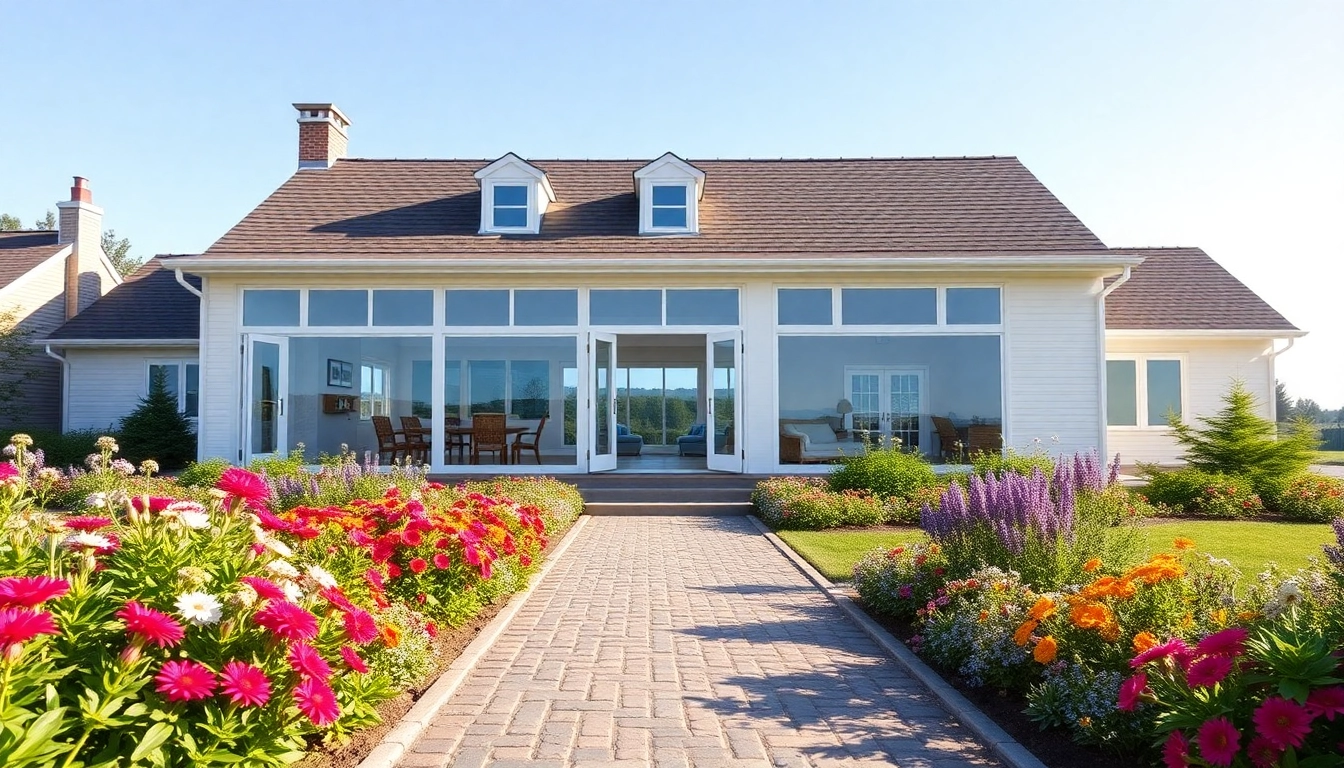
Understanding Cape Cod Home Addition
A cape cod home addition offers homeowners a chance to enhance their living space while embracing the distinct architectural charm of Cape Cod style homes. This type of addition not only increases the usable square footage but also retains the original character that makes these homes iconic. In this article, we will explore the multi-faceted aspects of Cape Cod home additions, providing insights into their design, planning, construction, and more.
What Constitutes a Cape Cod Home Addition?
A Cape Cod home addition typically refers to any structural extension added to an existing Cape Cod-style home. This can include expanding the footprint of the house, attaching a garage, or adding a second story. The design of the addition is crucial, as it should reflect the traditional aesthetics of Cape Cod architecture, characterized by steep roofs, dormer windows, and shingle exteriors.
Benefits of Adding a Cape Cod Home Addition
- Increased Space: One of the most immediate benefits is additional living space tailored to personal needs, whether it’s for a growing family or for creating a home office.
- Enhanced Home Value: A well-planned Cape Cod home addition can significantly increase the property’s market value, making it a worthwhile investment.
- Customization: Homeowners have the flexibility to design their additions to suit their unique tastes and functional requirements.
- Improved Aesthetics: A thoughtfully designed addition can enhance the overall appeal of a home while remaining true to its historical context.
Design Trends for Cape Cod Home Additions
Current design trends in Cape Cod home additions lean towards a blend of traditional and modern aesthetics. Elements such as large windows for natural light, outdoor living spaces, and eco-friendly materials have become increasingly popular. The use of natural colors and textures that mimic the coastal environment further integrates the addition with its surroundings.
Planning Your Cape Cod Home Addition
Assessing Your Property for Feasibility
Before starting your addition, it’s essential to assess your property’s suitability. Factors such as zoning regulations, property lines, and existing structures can influence the feasibility of your project. Engage with a local architect or contractor who is familiar with Cape Cod building codes to examine potential limitations and opportunities.
Budgeting for Your Cape Cod Home Addition
Budgeting is a critical component of planning a Cape Cod home addition. Costs can vary significantly depending on size, design choices, and materials. On average, homeowners should budget between $100 and $300 per square foot. Including a contingency fund for unexpected expenses is also advisable, typically around 10-15% of the total budget.
Permits and Regulations to Consider
Obtaining the necessary permits is crucial for any construction project, including home additions. Regulations may vary by locality, so checking with your local building department will help ensure compliance. Typically, you may need permits for zoning, building, and inspections, which can add to the timeline and cost if not managed properly upfront.
Designing Your Cape Cod Home Addition
Blending Styles: Traditional vs. Modern Elements
Striking a balance between the traditional elements of Cape Cod architecture and modern design can be challenging yet rewarding. Many homeowners opt for traditional features such as shingle siding and symmetrical facades, while incorporating modern layouts and features like open floor plans and contemporary interior finishes. The key is to create a seamless transition that honors the original home’s character.
Choosing Materials for Your Cape Cod Home Addition
When selecting materials for your addition, consider traditional Cape Cod materials like cedar shingles, clapboard siding, and natural stone. Such materials not only enhance curb appeal but also provide longevity against coastal elements. Additionally, modern materials like composite decking can offer low-maintenance alternatives while complementing traditional aesthetics.
Creating Functional Spaces Within Your Addition
Functionality should be a primary consideration in the design process. Think about your lifestyle and how the new space will accommodate it. For instance, a mudroom can provide an organized area for outdoor gear, while an open-concept design can enhance connectivity between living, dining, and kitchen areas. Considerations for lighting, flow, and multipurpose areas can significantly increase usability.
Implementing Your Cape Cod Home Addition
Selecting the Right Contractors and Builders
Choosing qualified contractors and builders is fundamental to the success of your Cape Cod home addition. Look for professionals with experience in such projects and check references to ensure they have a proven track record. Local builders often have invaluable knowledge of regional trends and building codes, which can streamline the process.
Construction Timeline and Project Management
A well-structured timeline sets clear expectations for the construction phase. Typical timelines for additions can range from a few months to over a year, depending on complexity and scale. Regular communication with your contractor can aid in maintaining the schedule and managing any arising challenges promptly.
Staying Within Budget During Construction
Managing budget constraints can be one of the most challenging aspects of implementing a home addition. Frequent progress checks against the initial budget can help identify potential overruns early. Engage in transparent discussions with contractors about materials and labor, and be prepared to adjust your plans if necessary to stay within financial limits.
Post-Completion Considerations
Decorating Your New Space After a Cape Cod Home Addition
Once the construction is complete, the next step is to turn your new space into a welcoming environment. Incorporate elements that reflect your personal style while harmonizing with the original home. Soft coastal colors, natural fibers, and classic furnishings can evoke the timeless allure of Cape Cod living.
Maintaining Your Cape Cod Home Addition
Maintenance is key to ensuring the longevity of your addition. Regular inspections and upkeep of roofing, siding, and gutters can prevent costly repairs. Additionally, considering the coastal environment, ensure that materials used are suitable for withstanding salt and moisture, reducing wear over time.
Evaluating the Value Added to Your Home
After completing your Cape Cod home addition, it’s beneficial to evaluate the value it adds to your property. Engaging a real estate appraiser can provide insights into how your investment has impacted market value. Typically, functional, well-integrated additions can boost your property’s appeal and resale value significantly.
Frequently Asked Questions
What is a Cape Cod home addition?
A Cape Cod home addition extends the living space while maintaining the architectural charm characteristic of Cape Cod homes.
How much does a Cape Cod home addition typically cost?
Costs vary widely based on size and materials, but budgeting for $100 to $300 per square foot is common for home additions.
Do I need a permit for a Cape Cod home addition?
Yes, obtaining permits is crucial for legality. Check local regulations before starting your addition project for compliance.
Can a Cape Cod home addition increase my home’s value?
Yes, a well-designed addition can boost property value and appeal, especially in desirable neighborhoods, enhancing return on investment.
What design elements work well for a Cape Cod home addition?
Incorporating traditional shingles, symmetrical facades, and large windows can complement the original architecture and enhance the addition.