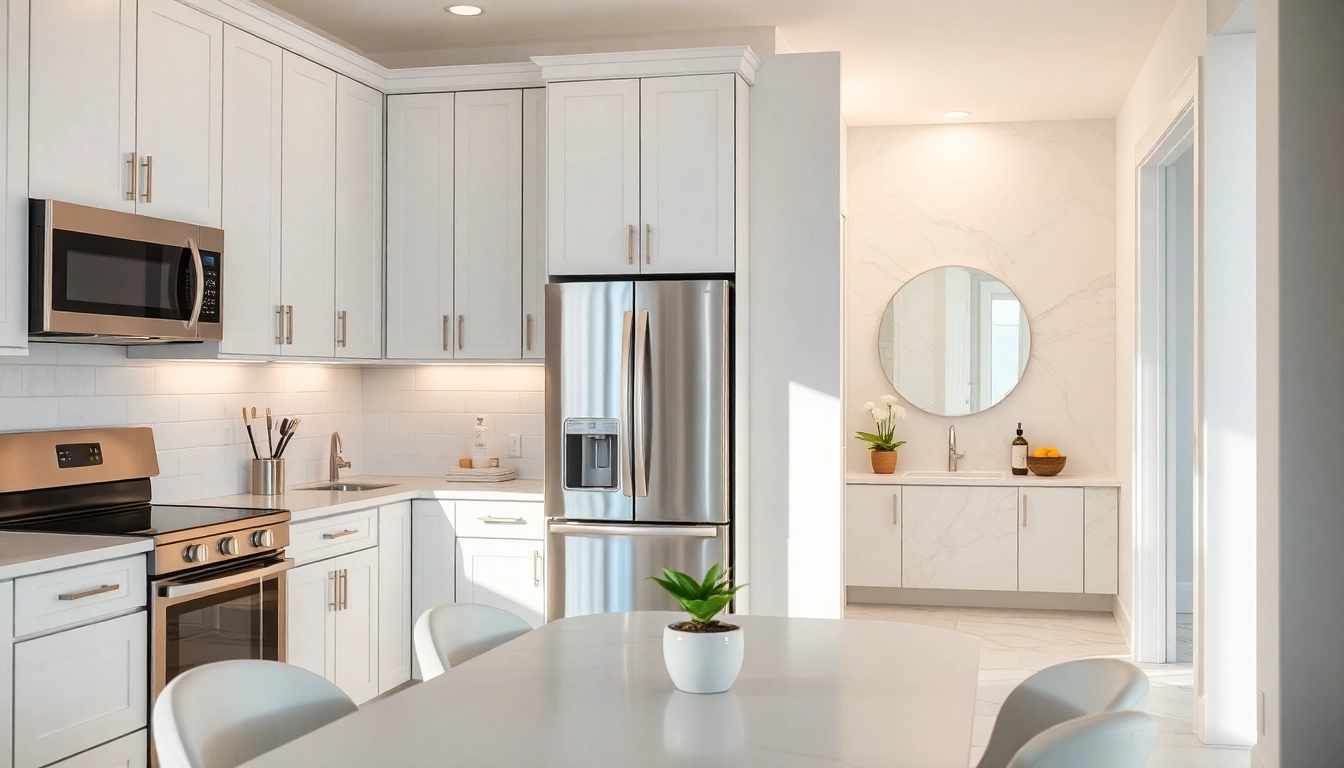
Understanding the Basics of Kitchen and Bathroom Renovation
Embarking on a kitchen and bathroom renovation can be one of the most rewarding home improvement projects you undertake. These spaces are not only essential for daily living but also significantly influence a home’s aesthetic appeal and functionality. Understanding what this entails and how to navigate the renovation process can help you create designs that are both beautiful and practical.
What is Involved in Kitchen and Bathroom Renovation?
A successful renovation involves various stages, including initial planning, design conception, material selection, and the actual construction process. First, you need to assess the current state of your kitchen or bathroom and identify what needs to change. This includes evaluating the layout, plumbing, electrical systems, and storage space. Following the assessment, creating a clear design plan will align your vision with practical execution.
The renovation itself can span several activities, from demolition of outdated structures to the installation of new fixtures, flooring, and countertops. The final step often involves aesthetic touches like painting, decorating, and furnishing. Each of these phases requires careful planning and execution to ensure the desired outcome is achieved.
Key Benefits of Renovating Your Kitchen and Bathroom
Renovating these crucial areas of your home can provide numerous benefits, including:
- Increased Home Value: A well-executed renovation can significantly increase your property’s market value.
- Enhanced Functionality: Updated layouts and fixtures can improve efficiency and usability in daily tasks.
- Improved Aesthetics: Modern designs can transform tired spaces into vibrant, welcoming areas.
- Energy Efficiency: Incorporating eco-friendly appliances and fixtures can reduce utility costs over time.
Planning Your Renovation Timeline Effectively
Effective planning is crucial for smooth kitchen and bathroom renovation. Start by defining your goals, budget, and timeline. Aim to allocate a realistic timeframe for each phase, from planning to completion. Consider potential delays and include time for permitting and inspections if required. Creating a detailed project timeline can help keep everyone on track and avoid costly overruns.
Choosing the Right Materials for Your Renovation
Selecting high-quality materials is integral to the success and longevity of your kitchen and bathroom renovation. The right materials contribute to both functionality and aesthetics, ensuring that your spaces are both beautiful and durable.
Top Flooring Options for Kitchen and Bathroom Renovation
Your choice of flooring should prioritize durability and ease of maintenance, especially in areas prone to moisture and heavy foot traffic. Popular flooring options include:
- Tile: Available in a variety of styles, tile is resistant to water and easy to clean. It’s especially popular in bathrooms.
- Vinyl: This budget-friendly option comes in various designs and is water-resistant, making it suitable for both kitchens and bathrooms.
- Laminate: Affordable and stylish, laminate flooring can mimic wood or stone patterns, though it may not hold up as well in high-moisture areas.
- Natural Stone: While expensive, materials like marble or slate provide unparalleled beauty and durability.
Countertops That Enhance Your Space
Countertops are a significant focal point in both kitchens and bathrooms. Choosing the right material will influence both utility and aesthetics:
- Granite: Renowned for its durability and elegance, granite is heat-resistant and suitable for kitchens.
- Quartz: Engineered for resilience and low maintenance, quartz offers extensive design options.
- Marble: Elegant and timeless, marble is often used in bathrooms but requires regular maintenance due to its porous nature.
- Laminate: A versatile and economical choice, laminate can mimic other materials with ease.
Selecting Durable and Stylish Fixtures
Fixtures play a vital role in the functionality and design of your renovated space. Choosing stylish yet durable options is key. Consider the following:
- Sinks: Choose materials that can withstand daily use, such as stainless steel or porcelain.
- Faucets: Opt for fixtures with a good finish that is resistant to tarnish. Look for brands that offer warranties.
- Showerheads: Prioritize efficiency and ease of cleaning. There are numerous designs available to fit any aesthetic.
Design Trends in Kitchen and Bathroom Renovation
Staying abreast of current design trends can help ensure that your kitchen and bathroom renovation is stylish and contemporary. Here are some key trends to consider:
Modern Styles: Minimalism vs. Traditional
Modern minimalism embraces clean, uncluttered lines, focusing on functionality and simplicity, while traditional design incorporates classic elements for a more timeless feel. Striking a balance between these two styles can yield a space that feels both current and inviting. Utilize neutral palettes and functional layouts while adding unique design elements to personalize the space.
The Rise of Eco-Friendly Renovation Practices
More homeowners are opting for eco-friendly renovation practices. This trend focuses on sustainability, from selecting materials sustainably sourced to utilizing energy-efficient appliances. Incorporate low-flow fixtures in bathrooms and LED lighting throughout the home, significantly reducing water and energy consumption.
Color Trends That Transform Your Space
Color plays a crucial role in how a room feels and functions. Popular color trends include soft neutrals for a calming effect, bold accent colors for a modern twist, and nature-inspired palettes that enhance a connection to the outdoors. Whichever you choose, consider how your color choices will pair with fixtures and materials.
Common Challenges in Kitchen and Bathroom Renovation
While exciting, a kitchen and bathroom renovation may present several challenges. Understanding these obstacles ahead of time can help you navigate the process more smoothly.
Budgeting Wisely for Your Renovation
Creating a realistic budget is crucial. Consider all possible costs, including materials, labor, permits, and unexpected expenses. Allocate about 10-20% of your total budget for contingencies, allowing flexibility in case of unforeseen issues.
Dealing with Space Limitations
Space constraints are typical in kitchen and bathroom renovations, often requiring creative solutions. Employ space-saving fixtures, such as wall-mounted cabinets or compact appliances, to maximize utility without sacrificing style. Open shelving can also contribute to a more expansive feel.
Managing Installation Timelines and Delays
Renovation projects may encounter delays due to various factors, including unexpected structural issues or backordered materials. Communicate openly with your contractor and regularly check on project progress. Accurate scheduling and timely ordering of materials can help minimize disruption.
Maintenance Tips Post-Renovation
Keeping Your Kitchen Beautiful and Functional
Regular cleaning and maintenance are essential for longevity. Use gentle cleaning products to avoid damaging surfaces. Schedule periodic deep cleans to maintain the freshness and functionality of appliances and fixtures. Additionally, check for signs of wear, such as leaks or loose fixtures, to address issues promptly.
Bathroom Care: Best Practices for Longevity
Bathrooms need regular attention to combat mold and mildew. After each use, wipe down surfaces and encourage ventilation. Regularly inspect caulking and grout lines to prevent water damage and maintain the aesthetic..
Routine Checks to Ensure Ongoing Safety and Comfort
Regular inspections of plumbing, electrical fixtures, and appliances are essential to ensure safety and functionality. This includes testing smoke alarms, checking for leaks, and monitoring the condition of hardware. Staying proactive will keep your renovated spaces both beautiful and safe.
Frequently Asked Questions
How long does a typical kitchen or bathroom renovation take?
Expect a full renovation to take anywhere from a few weeks to several months, depending on the scope of work and complexity. Proper planning and scheduling can help minimize this duration.
What should I prioritize in my renovation?
Focus on functionality, layout, and essential fixtures. Prioritize quality materials for long-lasting results while considering current and future needs.
Can I undertake a bathroom or kitchen renovation on my own?
While DIY is possible for smaller projects, hiring professionals for plumbing and electrical work is advisable to ensure safety and compliance with local codes.
What is the average cost of kitchen or bathroom renovation?
Costs can vary greatly depending on design, materials, and labor. An average kitchen renovation may range from several thousand to tens of thousands, while bathrooms typically fall slightly less.
What trends should I consider in my renovation?
Consider trends like eco-friendly materials, neutral color palettes, and multifunctional spaces to enhance both aesthetics and sustainability in your renovation.