The Rising Trends in Hijab Fashion
As we approach 2026, the world of hijab fashion is evolving dramatically, reflecting both cultural shifts and individual expression. The modern woman is seeking styles that not only complement her outfits but also empower her identity. When exploring options, Hijab shop trends are increasingly influenced by global fashion movements, combining tradition with contemporary aesthetics. This article delves into the must-have styles of 2026, how social media shapes these trends, and the celebration of diversity in hijab designs.
2026 Must-Have Styles for the Modern Woman
The hijab styles of 2026 are set to be vibrant and diverse, catering to a range of tastes and occasions. From luxurious fabrics to chic accessories, the focus is on creating versatile looks that can be adapted for both casual and formal settings. Here are some key trends:
- Layered Textures: Mixing materials, such as lightweight chiffon with heavier fabrics like silk, allows for creative layering that adds depth and movement.
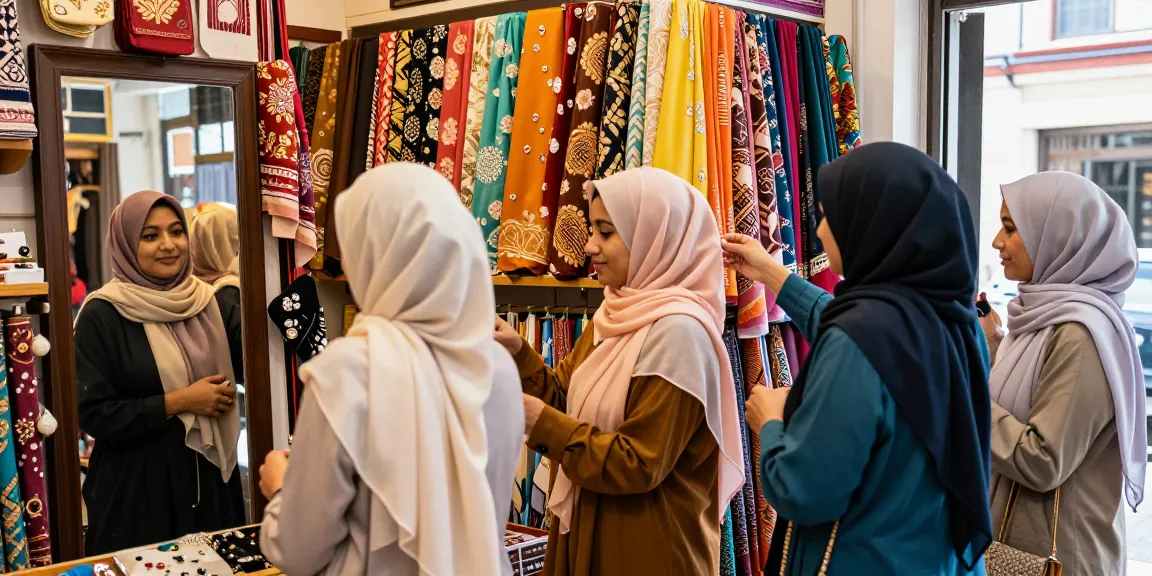
- Bold Patterns: Floral prints, geometric shapes, and striking color combinations are gaining popularity, making a statement while being culturally respectful.
- Functional Accessories: Features like built-in neck coverage and adjustable lengths are becoming essential, ensuring comfort and practicality for everyday wear.
Influence of Social Media on Hijab Trends
Social media platforms have transformed the way hijab trends are set and spread. Influencers and fashion bloggers play a pivotal role in shaping styles, showcasing how hijabs can be integrated into everyday fashion. The visual nature of platforms like Instagram and TikTok encourages creativity and personalization, allowing users to experiment with different styles and share their unique looks.
For instance, Instagram reels showcasing styling tips and hacks have made it easier for women to adopt new looks and trends, fostering a sense of community. This democratization of fashion allows for greater acceptance and understanding of hijab culture worldwide.
Embracing Diversity in Hijab Designs
The hijab world is increasingly embracing diversity, offering variations that reflect different cultural backgrounds and personal preferences. This includes:
- Regional Designs: Each region brings its unique flair, from the intricate embroidery of Moroccan hijabs to the minimalist Scandinavian styles.
- Customizable Options: Brands are starting to offer customizable hijabs, allowing wearers to choose colors and patterns that best represent their individual styles.
- Sustainable Styles: Eco-conscious designs are gaining traction, with brands using organic materials and ethical production processes to appeal to environmentally aware consumers.
Understanding the Needs of Hijab Wearers
At the heart of the hijab fashion industry is the understanding of what wearers truly need. This not only includes aesthetic preferences but also comfort, functionality, and cultural sensitivity. A successful hijab shop recognizes these needs and caters to them effectively.
Comfort and Functionality: What Customers Really Want
Comfort is paramount for hijab wearers. Many women are looking for lightweight fabrics that provide breathability, especially in warmer climates. Features like moisture-wicking materials and easy-care fabrics are becoming more common. Functionality is also crucial; wearers want hijabs that stay in place and require minimal adjustments throughout the day.
Eco-Friendly Materials and Sustainable Practices
As global awareness of environmental issues grows, many consumers are gravitating towards brands that prioritize sustainability. The use of eco-friendly materials, such as organic cotton and bamboo, coupled with sustainable production processes, is becoming increasingly popular. Brands that adopt these practices not only attract environmentally-conscious shoppers but also position themselves as leaders in the ethical fashion movement.
Addressing Cultural Sensitivity in Fashion
With the rising popularity of hijabs, it is crucial for brands to approach marketing and design with cultural sensitivity. Understanding the significance of the hijab in different cultures and presenting it respectfully in fashion campaigns is essential. Brands are encouraged to collaborate with cultural experts and community leaders to ensure that their designs resonate authentically and avoid appropriation.
Building a Successful Hijab Shop Online
Creating an online hijab shop requires careful consideration of the customer experience. From an engaging website design to strategic marketing, there are several key components to consider for success in this competitive market.
Creating an Engaging E-Commerce Experience
The online shopping experience should be seamless and enjoyable. Key features that enhance engagement include high-quality product images, detailed descriptions, and user-friendly navigation. Incorporating filters for fabric, color, and style can help customers find exactly what they are looking for. Additionally, showcasing customer reviews and styling tips can build trust and encourage purchases.
Using SEO Strategies to Attract Customers
To increase visibility and drive traffic to your hijab shop, effective SEO strategies are crucial. This includes optimizing product pages with relevant keywords such as “hijab styles,” “modest fashion,” and long-tail keywords that potential customers are searching for. Regularly updating a blog with fashion tips, styling tutorials, and insights into hijab culture can also improve search engine rankings and engage your audience.
Importance of Customer Reviews and Feedback
Customer feedback is invaluable for improving products and services. Encouraging reviews and displaying them prominently on your website fosters trust and can help potential buyers make informed decisions. Engaging with customers through follow-up emails and responding to their concerns shows that you value their input and are committed to providing quality products.
Marketing Strategies for Your Hijab Shop
Effective marketing strategies are essential for the success of a hijab shop. Utilizing various avenues to reach potential customers can enhance brand visibility and customer loyalty.
Leveraging Influencer Partnerships and Collaborations
Influencer marketing can significantly elevate your brand. Collaborating with influencers who align with your brand values can help you reach a wider audience. Choose influencers that resonate with your target demographic and encourage them to showcase your products in authentic ways.
Creating Social Media Campaigns that Resonate
Social media campaigns should celebrate diversity and inclusivity, showcasing real customers in your products. Engaging content such as styling challenges, customer spotlights, and cultural celebrations can foster community engagement and strengthen brand loyalty.
Utilizing Email Marketing to Drive Sales
Email marketing remains a powerful tool for e-commerce. Regular newsletters with updates on new arrivals, exclusive discounts, and styling tips can keep your audience engaged and returning to your site. Segmenting your email list allows for personalized marketing that caters to different customer preferences.
Future of Hijab Retail: Predictions for 2026
As we move forward into 2026, several trends and innovations are expected to shape the future of hijab retail. Staying ahead of these changes will be crucial for business success.
Technology Innovations in E-Commerce
Technology continues to revolutionize the retail landscape. Features such as augmented reality (AR) allow customers to visualize how different hijabs will look before purchasing, enhancing the online shopping experience. Additionally, AI-driven recommendations can improve personalization, guiding customers toward styles that suit their preferences.
Shifts in Consumer Behavior Post-Pandemic
The pandemic has led to significant changes in consumer behavior. More customers are prioritizing online shopping and seeking convenience. Understanding these shifts and adapting marketing strategies accordingly will be crucial for success. Enhanced online services, such as virtual styling consultations, can set your hijab shop apart from competitors.
Emerging Markets and Global Expansion Opportunities
Global expansion offers exciting opportunities for hijab retailers. Emerging markets in regions like Southeast Asia and Africa present untapped potential. Researching local preferences and collaborating with local influencers can help establish a presence in these new markets.
Are Hijabs Becoming Mainstream Fashion?
With the growing acceptance of diverse fashion, hijabs are becoming mainstream. Their visibility in fashion shows and collaborations with high-profile designers indicates a shift towards inclusivity in the fashion industry. Brands that embrace this change and offer stylish, quality options will likely thrive.
What Are the Key Challenges Ahead?
Despite these positive trends, challenges remain. Brands must navigate cultural sensitivities carefully, ensuring that their designs respect traditional values. Additionally, staying innovative in a competitive market requires continual research and adaptation to evolving consumer needs.