
1. Overview of Clarksburg Wineries
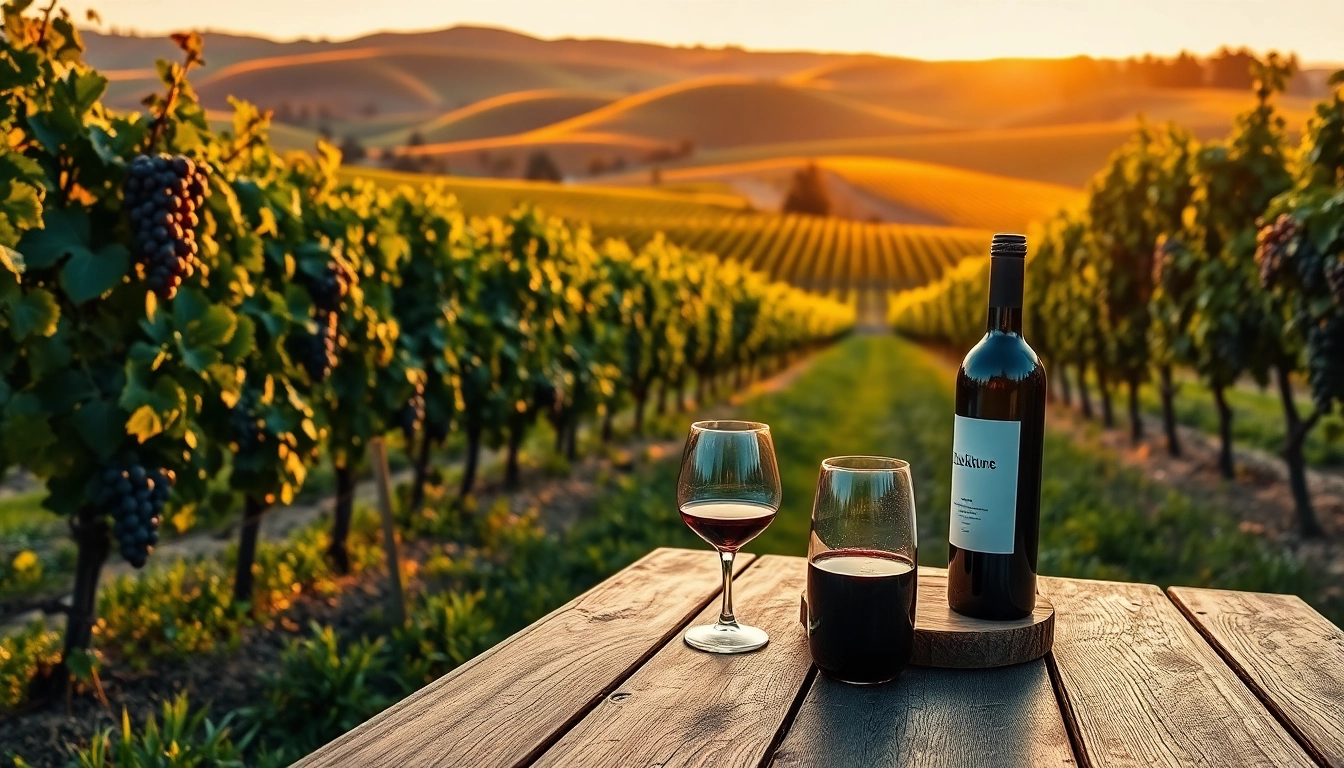
Clarksburg, California, is known for its rich agricultural heritage and is home to a vibrant wine culture that attracts both connoisseurs and casual enthusiasts. The region’s wineries have gained recognition, not only for their exquisite varietals but also for the picturesque landscapes they occupy. With a focus on sustainable practices and quality production, Clarksburg wineries exemplify a blend of tradition and innovation, making it a must-visit destination for wine lovers.
1.1 Historical Background
The history of winemaking in Clarksburg dates back to the late 19th century when Italian immigrants brought their viticultural knowledge to the region. The area’s proximity to the Sacramento River provided favorable conditions for grape growing, contributing to the emergence of numerous vineyards. By the early 20th century, Clarksburg was officially recognized as an agricultural district, and winemaking began to flourish, setting the stage for the diverse winery landscape we see today.
1.2 Geographic Features
The unique geography of Clarksburg plays a crucial role in wine production. The region is characterized by its sandy loam soils, which are ideal for growing various grape varieties, particularly Zinfandel, Chardonnay, and Cabernet Sauvignon. Additionally, the Mediterranean climate, with hot summers and mild winters, ensures a long growing season, allowing grapes to develop rich flavors and complexity. The influence of the nearby delta also contributes to the region’s microclimates, further enhancing the terroir.
1.3 Types of Wines Produced
Clarksburg wineries produce a diverse array of wines, catering to varied palates. The most prevalent varietals include robust Zinfandels, crisp Chardonnays, and velvety Merlots. An increasing number of wineries are also experimenting with lesser-known varieties, such as Verdelho and Petit Syrah, fostering a sense of adventure for wine drinkers. Many wineries emphasize organic and sustainable practices, which not only enhance the flavor profiles of their wines but also contribute to environmental conservation.
2. Popular Wineries in Clarksburg
2.1 Family-Owned Gems
Among the numerous wineries in Clarksburg, family-operated vineyards stand out for their commitment to quality and tradition. These establishments often produce small batches of wine crafted with meticulous care and an intimate understanding of the land. Family-owned wineries frequently offer personalized tasting experiences, allowing visitors to connect with the heritage and stories behind each bottle.
2.2 Modern Establishments
In recent years, modern wineries have emerged in Clarksburg, showcasing innovative techniques and contemporary designs. These establishments often combine state-of-the-art technology with artistic flair, presenting wines that reflect both tradition and modernity. Visitors can enjoy guided tours explaining advanced winemaking processes, from fermentation to bottling, making these establishments a favorite among tech-savvy wine enthusiasts.
2.3 Specialty Wine Producers
Some Clarksburg wineries specialize in unique, artisanal wines that push the envelope on traditional winemaking. These producers explore unconventional grape varieties and experimental blends, attracting adventurous palates. Whether it’s a naturally fermented wine or one aged in unusual barrels, specialty wine producers in Clarksburg offer a fascinating exploration of flavors that are hard to find elsewhere.
3. Visiting Clarksburg Wineries
3.1 Best Times to Visit
The best times to visit Clarksburg’s wineries generally fall within the spring and fall seasons. During these periods, the weather is mild and suitable for outdoor activities, making for a pleasant vineyard experience. Additionally, the fall harvest season offers a unique glimpse into winemaking processes, with many wineries hosting special events and tours that celebrate the vintage.
3.2 Tour Experience
Wineries in Clarksburg often provide immersive tour experiences that lead visitors through vineyards and production facilities. Guests can witness firsthand the dedication that goes into growing grapes and producing wine. Many tours include tastings of exclusive selections, allowing attendees to appreciate the intricate flavors and nuances of the wines. Engaging with knowledgeable staff also enriches the tour experience, offering insights into the winemaking philosophy and practices.
3.3 Tasting Events and Festivals
Throughout the year, Clarksburg hosts various tasting events and festivals that celebrate local wines and culinary delights. These gatherings often feature local chefs pairing food with wines from participating wineries, creating an immersive gastronomic experience. Events like harvest festivals provide an opportunity to meet winemakers, sample new releases, and deepen one’s appreciation for the craftsmanship behind each bottle.
4. Wine Pairing Recommendations
4.1 Pairing with Local Cuisine
Clarksburg’s wineries are well-suited for pairing their wines with the region’s local cuisine. Whether it’s savory grilled meats, fresh seafood from nearby coastal areas, or rich vegetarian dishes, the wines from this area enhance the culinary experience. For example, a fruity Zinfandel beautifully complements barbecue ribs, while a crisp Chardonnay pairs exquisitely with local fish dishes.
4.2 Seasonal Pairing Tips
Seasonal changes can greatly influence the best pairings for Clarksburg wines. In warm months, lighter wines like Sauvignon Blanc or Rosé are perfect companions for summer salads and grilled vegetables. As the weather cools, full-bodied reds like Cabernet Sauvignon shine alongside hearty stews and roasted meats. Adapting pairings to seasonal ingredients not only elevates the dining experience but also showcases the versatility of the wines.
4.3 Popular Wine and Food Combinations
Some popular combinations that highlight Clarksburg wines include pairing a zesty Sauvignon Blanc with citrus-marinated shrimp and a smooth Merlot with dark chocolate desserts. Combining local artisanal cheeses with a versatile red blend can create a delightful tasting experience that showcases the complimentary flavors. Exploring these pairings can lead to delightful discoveries for both novice and seasoned wine drinkers.
5. FAQs About Clarksburg Wineries
5.1 What types of wines can I find at Clarksburg wineries?
Clarksburg wineries offer a range of wines including Zinfandel, Chardonnay, Cabernet Sauvignon, and unique varietals like Verdelho and Petit Syrah, catering to diverse taste profiles.
5.2 Are there guided tours available at these wineries?
Yes, many Clarksburg wineries offer guided tours that provide insights into their winemaking process, involving visitors in tastings and vineyard walks for a comprehensive experience.
5.3 Can I host events at Clarksburg wineries?
Most wineries in Clarksburg provide event hosting options for private parties, weddings, and corporate functions, often featuring scenic settings and full-service accommodations.
5.4 What are the best vineyards to visit with family?
Family-friendly wineries often include those with picnic areas, educational experiences, and interactive tours that engage all ages while exploring Clarksburg’s beautiful landscapes.
5.5 How do I purchase wine directly from Clarksburg wineries?
You can purchase wine directly from Clarksburg wineries through their tasting rooms or online shops, where many offer shipping options for convenience.

