Understanding 18k Mini Split Systems
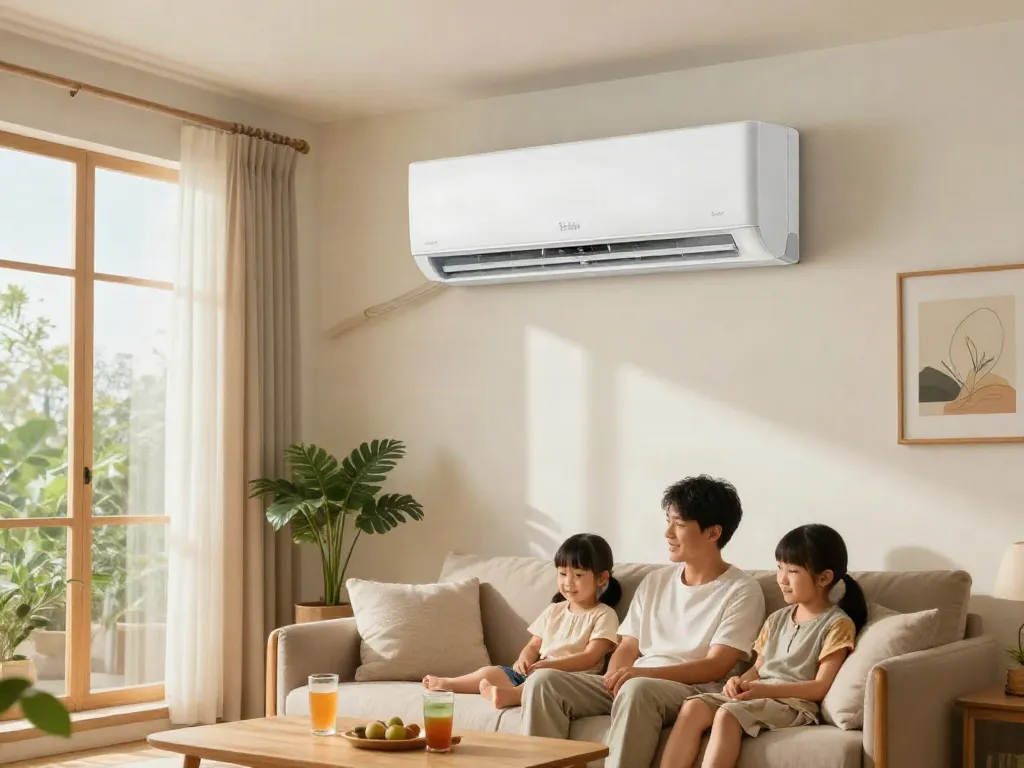
When searching for an efficient heating and cooling solution for your home or office, the 18k mini split systems stand out as a versatile choice. These systems combine advanced technology with user-friendly features, providing comfort while optimizing energy usage. A mini split system is a form of ductless heating and cooling that can adapt to various environments, making it ideal for both residential and commercial applications.
What is an 18k Mini Split?
An 18k mini split system, typically referred to as an 18,000 BTU system, denotes its cooling and heating capacity measured in British Thermal Units. This capacity is suitable for cooling or heating spaces up to approximately 1,000 square feet, depending on insulation and layout. Mini splits consist of an outdoor unit and one or more indoor units connected by refrigerant lines. This design eliminates the need for ductwork, making installation more straightforward and less invasive.
Key Components of Mini Split Systems
- Outdoor Unit: Houses the compressor and condenser coils, responsible for heat exchange.
- Indoor Unit: Contains the evaporator coil and is responsible for distributing conditioned air throughout the room.
- Refrigerant Lines: Carry the refrigerant between the indoor and outdoor units, allowing for efficient heat transfer.
- Thermostat: Controls the temperature settings and can often be programmed for enhanced comfort.
Benefits of Choosing an 18k Mini Split
There are numerous advantages to selecting an 18k mini split system, including:
- Energy Efficiency: With SEER ratings often exceeding 20, these systems can significantly reduce energy bills.
- Zone Control: Ability to set different temperatures for different rooms allows for personalized comfort.
- Quiet Operation: Mini splits operate at a much quieter level than traditional HVAC systems, enhancing overall comfort.
- Easy Installation: Ductless systems can be installed quickly and with minimal disruption to your living space.
Ideal Applications for 18k Mini Splits
Understanding where and how to use your 18k mini split system effectively can maximize its benefits. These systems are versatile and can be adapted for both residential and commercial use.
Best Room Sizes for 18k Mini Split Efficiency
For optimal performance, an 18k mini split is best suited for areas ranging from 550 to 1,000 square feet. Common applications include:
- Living Rooms: Provide consistent cooling and heating in spacious lounges.
- Large Bedrooms: Ensures a comfortable sleep environment.
- Open Family Rooms: Perfect for cooling large, open spaces where airflow is essential.
- Insulated Garages: Makes previously uncomfortable spaces usable year-round.
Residential vs. Commercial Use Cases
While 18k mini splits are commonly used in residential settings, their application in commercial environments is also beneficial. In residential spaces, they are ideal for room additions or retrofitting older homes without ductwork. In commercial applications, they provide targeted heating and cooling for offices, shops, and warehouses, allowing businesses to save on energy costs while improving comfort for employees and customers.
Spot Cooling vs. Whole House Solutions
When selecting an 18k mini split, consider whether you need spot cooling or a whole-house solution. Spot cooling is effective for specific areas that may face heat gain from windows or appliances, whereas a multi-zone mini split system can cater to multiple rooms, providing a comprehensive solution across your home or office.
Installation Considerations
Correct installation is crucial to the performance of your 18k mini split system. Factors to consider include location, professional versus DIY options, and potential challenges.
Choosing the Right Location for Installation
Placement of both the indoor and outdoor units is essential. The outdoor unit should be located in a shaded area to enhance efficiency, while indoor units need to be installed where they can evenly distribute air without obstructions.
Professional vs. DIY Installation: Pros and Cons
While many opt for professional installation to ensure optimal performance, DIY installation is also an available option for those comfortable with basic HVAC tasks. Professional installation guarantees adherence to building codes and offers warranties, while DIY can save on costs but may result in issues if not done correctly.
Common Installation Challenges and Solutions
Some challenges may arise during installation, including space constraints, difficulty accessing certain areas, and ensuring proper refrigerant line routing. Pre-planning and consulting with professionals can help mitigate these issues, ensuring a seamless installation process.
Maintenance Tips for Optimizing Performance
Regular maintenance is key to keeping your 18k mini split system running efficiently and extending its lifespan. Below are some essential tasks for homeowners.
Essential Maintenance Tasks for Homeowners
- Regularly clean or replace filters to ensure good air quality and system efficiency.
- Inspect and clean the outdoor unit to prevent debris buildup blocking airflow.
- Schedule annual maintenance checks with a qualified technician to identify potential problems.
Signs Your 18k Mini Split Needs Repairs
Be proactive about repairs by watching for signs such as reduced cooling or heating efficiency, unusual sounds, or persistent odors. Addressing these issues promptly can prevent more significant repairs down the line.
Improving Air Quality with Regular Maintenance
Regular filter changes and cleaning not only improve system efficiency but also enhance indoor air quality. Consider utilizing air purifiers and adding humidity control to further enhance your environment.
Future Trends in Mini Split Technology
As technology evolves, so do mini split systems. Here are some anticipated trends that will shape the future of these systems through 2026 and beyond.
Energy Efficiency Advances for 2026 and Beyond
With ongoing innovations, expect to see mini splits becoming even more energy-efficient. Look for advancements in inverter technology and refrigerant types that reduce energy consumption while maintaining performance.
Smart Features and Home Automation Integration
Given the rise of smart home technologies, 18k mini split systems are increasingly incorporating Wi-Fi capabilities for remote control via smartphones and integration with home automation systems for enhanced convenience.
Eco-Friendly Innovations in HVAC Solutions
Future mini split systems are likely to embrace environmentally friendly refrigerants and sustainable design practices, reducing their carbon footprint and promoting greener living.
What is the average lifespan of an 18k mini split system?
Typically, you can expect an 18k mini split system to last between 15 to 20 years with proper maintenance and care.
How does an 18k mini split compare to traditional HVAC systems?
18k mini splits offer greater energy efficiency, quieter operation, and flexibility in installation compared to traditional HVAC systems that rely on ductwork.
What maintenance should I perform regularly on my mini split?
Essential maintenance includes cleaning the filters, ensuring the outdoor unit is free of debris, and scheduling annual professional inspections to keep the system in top condition.
Can I use an 18k mini split in colder climates?
Yes, many modern 18k mini split systems are designed to operate efficiently in colder climates, equipped with features that allow them to provide heat even in low outdoor temperatures.
What are the energy savings with an 18k mini split?
Energy savings can vary based on usage and local energy costs, but many users report savings of 30% or more compared to traditional HVAC systems, thanks to their efficiency and zoning capabilities.