Understanding Sew In Weft Hair Extensions
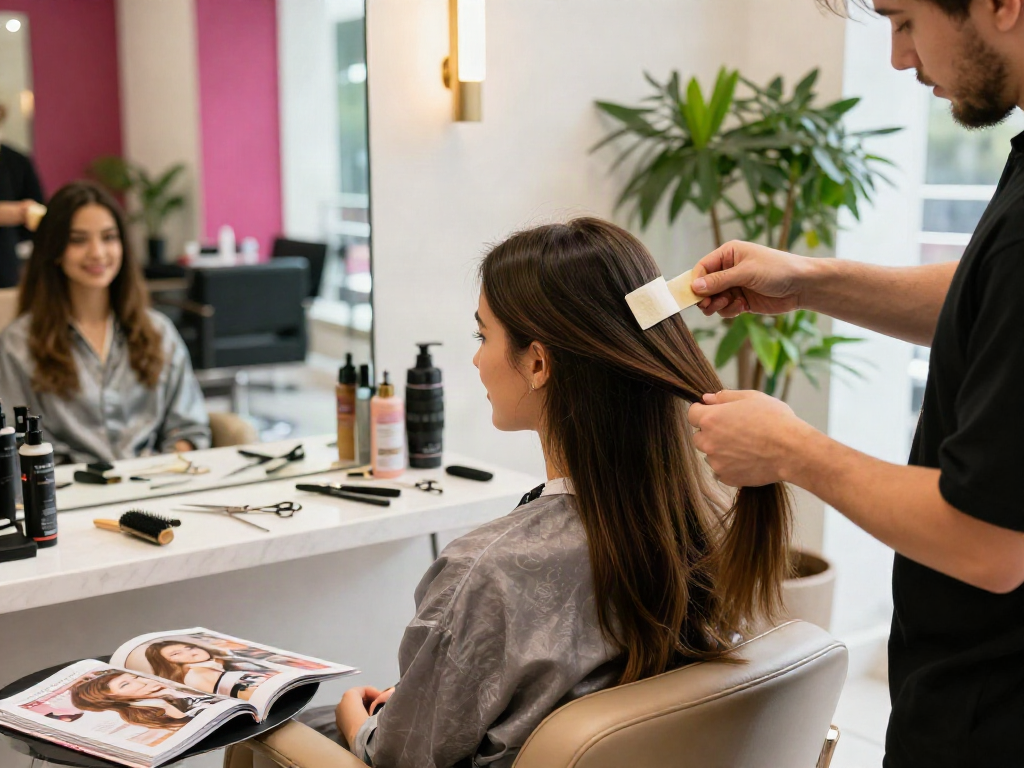
Sew in weft hair extensions are a popular method for individuals looking to enhance their hair's volume, length, or overall style. This technique involves sewing a weft of hair to natural hair using a needle and thread, allowing for a secure, long-lasting installation. As trends in hair extensions evolve, more people are turning to sew in wefts due to their natural appearance and versatility. When exploring options, sew in weft hair extensions provide comprehensive insights into this transformative beauty technique.
What Are Sew In Weft Hair Extensions?
Sew in weft hair extensions are strands of hair that are attached to natural hair using a sewing technique. Typically made of either Remy or non-Remy human hair, these extensions come in various lengths, colors, and textures, allowing for a customizable look. The wefts themselves are either machine-made or hand-tied, with each type presenting its own set of advantages in terms of application and wearability. The sew-in method allows for a seamless blend with natural hair, creating a full, voluminous look that lasts for several weeks.
The Advantages of Using Sew In Weft Hair Extensions
There are numerous benefits to choosing sew in weft hair extensions:
- Long-lasting results: Sew in extensions can last anywhere from 6 to 12 weeks with proper care, making them a worthwhile investment.
- Natural look: These extensions blend incredibly well with your natural hair, providing an undetectable finish.
- Style versatility: You can style, dye, or treat these extensions just like your own hair, allowing you to experiment with different looks.
- Less damage: When applied correctly, sew in wefts cause less stress to your natural hair than other methods like glue or tape.
Types of Sew In Weft Hair Extensions Available
Choosing the right type of sew in weft hair extensions is crucial to achieving your desired look. The main types include:
- Machine Wefts: These are created using a sewing machine, making them durable and ideal for larger installations.
- Hand-Tied Wefts: Crafted by hand, these wefts are thinner and more flexible, allowing for a more natural blend with your existing hair.
- Hybrid Wefts: A combination of machine and hand-tied techniques, these wefts offer the best of both worlds, balancing durability with a seamless appearance.
Choosing the Right Sew In Weft Hair Extensions
Factors to Consider When Selecting Extensions
When choosing sew in weft hair extensions, consider the following:
- Hair Type: Understand your natural hair type (straight, wavy, or curly) and select extensions that will match that texture.
- Length and Volume: Determine how much length or volume you want to add; longer extensions may require different methods of application compared to shorter ones.
- Color Matching: Ensure that the color of the extensions blends well with your natural hair to avoid a stark contrast.
- Quality of Hair: Opt for extensions made from high-quality Remy hair for the most natural appearance.
How to Match Hair Color and Texture
Color and texture matching are essential for a seamless look. Consider the following tips:
- Bring a Sample: If possible, bring a strand of your hair to the store to find the best match.
- Natural Light: Check colors in natural light to ensure an accurate match.
- Consider Highlights: If you have highlights, select extensions with a blend of colors to mimic your hairstyle.
Comparing Quality: Remy vs. Non-Remy Hair
Choosing between Remy and non-Remy hair is crucial for the longevity and appearance of your extensions:
- Remy Hair: This type of hair is collected in a way that keeps the cuticles intact and aligned, creating a natural look. It lasts longer and can withstand styling.
- Non-Remy Hair: Often cheaper, non-Remy hair does not maintain the cuticles, leading to tangling and a shorter lifespan. However, it may still be suitable for temporary styles.
Application Process for Sew In Weft Hair Extensions
Step-by-Step Guide to Installing Sew In Weft Hair Extensions
- Preparation: Start by washing and drying your natural hair, ensuring it is clean and free of products for a better hold.
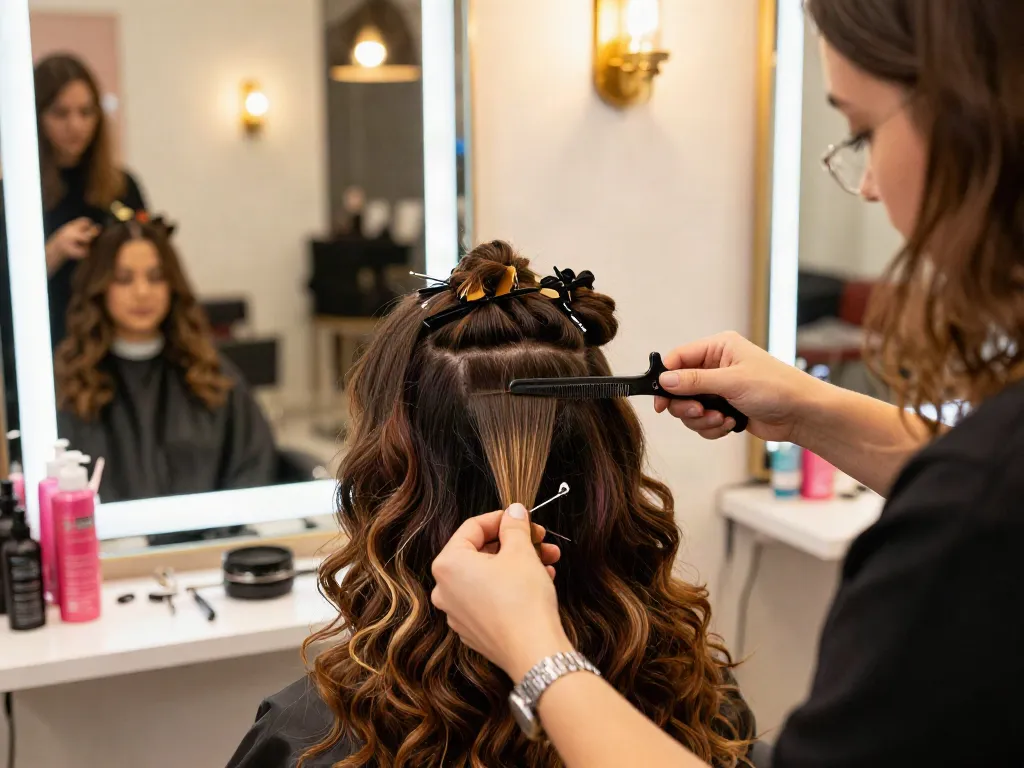
- Sectioning: Part your hair into sections, typically starting from the nape of your neck, and secure the upper sections with clips.
- Applying the Weft: Sew the weft onto the braid, making sure to secure it tightly but without pulling your natural hair.
- Continue Weaving: Repeat the process throughout the sections, ensuring a tight, secure fit.
- Finishing Touches: Once all the wefts are in, blend your natural hair with the extensions through cutting or styling.
Common Mistakes to Avoid During Installation
To ensure a successful installation, avoid these common pitfalls:
- Skipping Prep: Failing to prepare hair properly can lead to an uneven application.
- Over-tightening: Pulling the extensions too tight can cause stress and damage to your natural hair.
- Ineffective Blending: Make sure to blend extensions with your natural hair to prevent any noticeable lines.
Maintaining and Caring for Your Sew In Extensions
Proper care is key to prolonging the life of your sew in weft hair extensions. Here are some tips:
- Regular Cleaning: Use sulfate-free shampoos and conditioners to keep both your natural hair and extensions clean.
- Avoid Heat Damage: Limit the use of heat styling tools, and always apply a heat protectant when necessary.
- Detangle Gently: Use a wide-tooth comb to detangle the extensions, starting from the ends and working your way up.
Cost Considerations: Investing in Sew In Weft Hair Extensions
Breakdown of Costs for Extensions and Installation
The cost of sew in weft hair extensions can vary significantly based on several factors:
- Quality of Hair: Remy hair extensions tend to be more expensive than non-Remy options, but they offer a better look and longevity.
- Length and Volume: Longer and thicker wefts generally cost more; be sure to budget accordingly.
- Professional Installation: Hiring a stylist to install your extensions will increase your overall cost, but ensures a professional finish.
Value Proposition: Long-Term Benefits of Sew In Weft Hair Extensions
While the upfront cost of sew in weft hair extensions may seem high, they provide substantial long-term value:
- Durability: With proper care, these extensions can last several months, resulting in a better cost-per-wear ratio.
- Styling Versatility: The ability to style and treat your extensions means you can achieve varied looks without needing frequent replacements.
- Natural Appearance: A well-installed sew in weft can look almost indistinguishable from natural hair, enhancing your overall aesthetic.
Comparing Sew In Wefts to Other Hair Extension Methods
When weighing your options, consider how sew in weft hair extensions stack up against other methods:
- Clip-Ins: Provide temporary length and volume, but require daily application and removal.
- Tape-Ins: Offer a more permanent solution but can cause damage if not applied or removed properly.
- Fusion Extensions: Last a long time but involve a complicated application process that can be damaging to your hair.
Future Trends in Hair Extensions for 2026 and Beyond
Emerging Techniques and Technologies in Hair Extensions
The hair extension industry is ever-evolving, with new techniques on the horizon:
- Nano Rings: A method that uses tiny rings to attach extensions, causing less damage to the natural hair.
- Vegan Hair Extensions: As sustainability becomes a priority, expect to see a rise in plant-based extensions made from synthetic materials that mimic human hair.
Growing Popularity of Sustainable Hair Products
Consumers are increasingly seeking ethical beauty products, prompting brands to source hair responsibly and offer sustainable alternatives. This trend will continue to influence the types of hair extensions available.
Expert Predictions for Hair Extension Styles in 2026
As we look forward to 2026, expect to see bold colors, custom blends, and enhancements in the installation process that emphasize comfort and longevity:
- Color Fusion Techniques: Advanced methods that incorporate various shades for a more natural look.
- Lightweight Extensions: Innovations aimed at reducing the weight of extensions for improved comfort over long wear periods.
How long do sew-in weft extensions last?
Sew in weft extensions can last anywhere from six to twelve weeks, depending on the quality of the hair and how well they are maintained.
What's the difference between weft and sew-in extensions?
Weft extensions refer to the hair bundles themselves, while sew-in extensions specifically denote the method of attachment using a sewing technique.
What are the downsides of sew-in hair extensions?
Potential downsides include the time required for installation and maintenance, as well as the possibility of tension on the scalp if not applied correctly.
What is the best brand of sew-in hair extensions?
The best brand can vary based on personal preference, budget, and desired quality, but popular options include GoGo Hair, Babe Hair, and Donna Bella.
How to properly maintain sew-in weft hair extensions?
Regular washing with gentle shampoos, avoiding excessive heat, and detangling carefully are essential to maintain the quality and appearance of sew in weft hair extensions.